347-727-7200
 Get Consultation
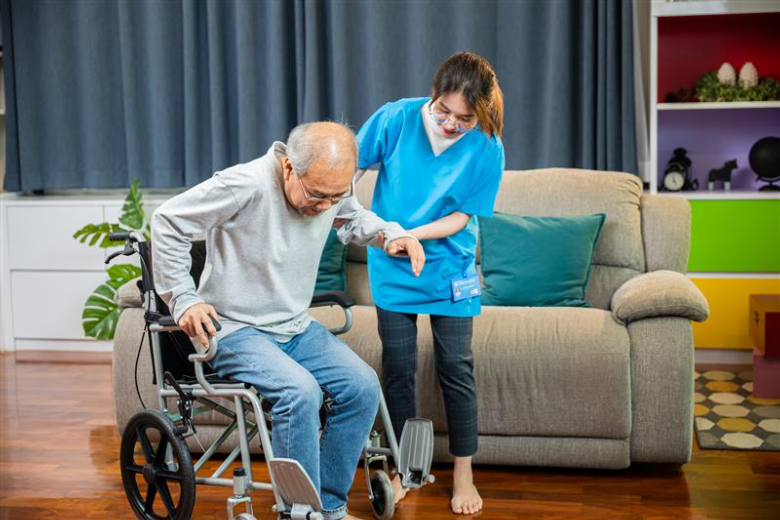
Taking care of elderly family members is not only an obligation but also an emotionally charged process. As senior individuals require more assistance with daily tasks, many family members face a challenging choice: Should we opt for in-home elder care services or an assisted living facility?
Although both options will be substantially beneficial, the final choice will depend on your family member’s needs, safety concerns, financial situation, and personal preferences.
This detailed guide will help you understand these options clearly, enabling you to make an informed decision.
In-home eldercare lets seniors get personalized services right in their own homes. Professional caregivers come to the house based on the family’s needs, i.e., for a few hours a day or all day, every day.
The objective of homecare services is to assist older people to remain independent while promoting safety and peace of mind for the family.
Assisted living facilities offer a community-supported housing alternative for seniors, where they reside in either private or shared rooms and receive assistance from supportive staff at all times.
Assisted living facilities provide a structured, social, and monitored environment for seniors who have a consistent need for assistance.
Choosing in-home care provides several meaningful advantages:
1. Comfort of Familiar Surroundings Seniors feel safe, assisted, and self-reliant when they stay in their own house.
2. Personalized One-to-One Care Caregivers focus solely on each senior and provide highly personalized care.
3. Greater Independence Elderly people are not forced to change their routines, tastes, or lifestyle significantly.
4. Flexible Scheduling The care can be customized as per need, whether part-time or full-time.
5. More Affordable for Part-Time Care In-home care can be more cost-effective than assisted living when older people require only a few hours of daily assistance.
Assisted living is a good choice when older people require increased organization and monitoring.
1. Safe, Supervised Environment Seniors benefit from 24/7 staff availability, ensuring they receive prompt assistance whenever needed.
2. Built-In Social Community Daily classes, events, and meals with others help people connect and feel less lonely.
3. No Home Maintenance Caregivers also handle all activities related to cooking, laundry, repairs, and cleaning.
4. Access to Healthcare Support Many facilities coordinate directly with healthcare providers or offer on-site wellness programs.
5. Consistent Routine Regular schedules are more predictable, which can be beneficial to older people with cognitive impairments.
Assisted living also has limitations to consider:
The decisions regarding in-home versus assisted living care for the elderly often have unique considerations based upon both personal and practical reasons.
Ask yourself:
So, in-home care is effective when needs are moderate and manageable. On the other hand, assisted living can be safer when needs are complex and require constant monitoring.
Some seniors thrive on social interaction; others prefer solitude and familiar spaces.
When determining what kind of care is best for your loved one’s safety, be sure to consider the following:
If so, assisted living may be the better option for your loved one.
Home care is more effective when family members live close to the person or have participated in planning care. Assisted living can provide regular support when family participation is limited.
The cost may vary widely depending on the areas and services.
Consider the long-term affordability of the two before deciding.
Choosing between assisted living facilities or home elderly care is a personal decision. The best choice is what works for your loved one. Take your time to evaluate all options and make the right decision.
Don’t rush into this choice. Get your family involved, and if you need to, ask professionals for help. With the right choice, you can ensure your loved one enjoys a safe, dignified, and fulfilling chapter of life.
Whether your loved one needs companionship, personal care, or round-the-clock support, Tri-Med Home Care Services ensures quality care that promotes dignity and well-being.