347-727-7200
 Get Consultation
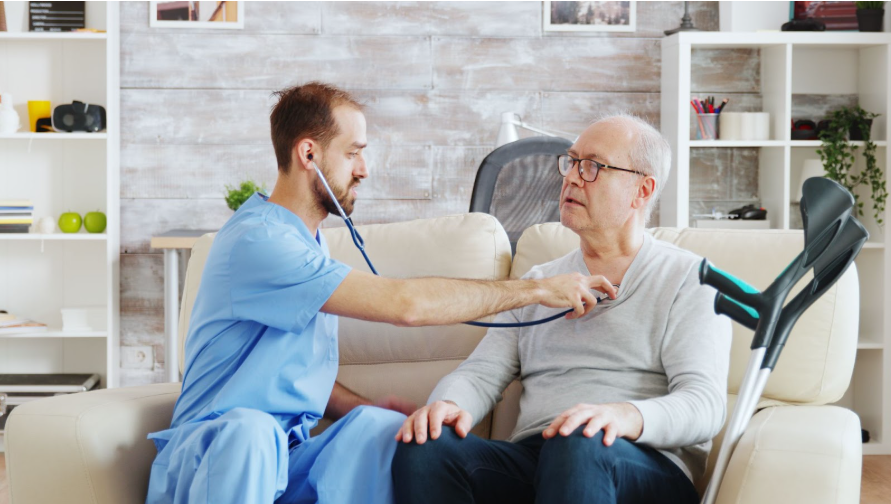
Elderly individuals require care and support due to the effects of aging, which can render them physically fragile, less mobile, and less able to perform activities they previously managed with ease. For some people, it can make even relatively simple tasks like getting out of bed much more dangerous.
Here, we will discuss why senior care is important, how home health aide professionals can support seniors at home, and how regular, ongoing help from a caregiver can help to improve the quality of life for both seniors and their families.
As they age, the elderly can begin to experience changes in most aspects of their lives, particularly in their health, psychological conditions, and physical capabilities. Such difficulties often increase with time, making daily tasks more difficult.
Common challenges include:
According to the Centers for Disease Control and Prevention (CDC), 1 in 4 adults aged 65+ report falls each year, and falls remain a leading cause of injury-related hospital visits among seniors. These risks increase when seniors live alone without daily support.
Home care offers the required support seniors need to stay safe, comfortable, and independent in their homes. It focuses on helping seniors rather than on medical care. It is performed by a trained caregiver (or “HHA”) who helps seniors with their daily tasks and ensures they are safe while remaining as respectful as possible.
Senior Care includes:
With the help of these services from a senior home care professional, seniors can continue to live in their homes rather than move to a nursing home or other long-term care facility.
A home health aide professional is a trained caregiver who assists seniors with essential daily activities while promoting safety and dignity. Their role is practical, consistent, and focused on real needs.
Home health aides do not replace nurses or doctors. Instead, they support daily living and help seniors follow safe routines at home.
Supporting Senior Care reduces caregiver stress while ensuring seniors receive consistent, professional assistance. Many families try to manage care on their own, which can quickly become overwhelming.
Professional Senior Care fills gaps that families cannot always cover.
Home-based Senior Care allows seniors to age in place while receiving daily assistance. The comparison below explains why many families prefer home care.
| Feature | Senior Care at Home | Nursing Facility |
|---|---|---|
| Living environment | Familiar home | Shared facility |
| One-on-one attention | Yes | Limited |
| Schedule flexibility | High | Fixed |
| Family involvement | Ongoing | Restricted |
| Emotional comfort | Higher | Lower for many seniors |
For seniors who do not require full-time medical supervision, home-based Senior Care is often the most practical option.
Senior Care focuses on non-medical daily support. It does not replace skilled nursing or hospital care.
Senior Care does not include:
This distinction ensures families understand exactly what services are provided and how care aligns with safety standards.
Home Health Aide professionals enhance physical security, emotional health, and daily routine among the seniors.
Seniors receiving regular in-house care face fewer emergency hospital visits than the elderly who lack it.
Tri-Med Home Care offers structured, professional care for seniors through professional home health aides. Each service aligns with non-medical home care standards and daily living support.
You can get our home care and home health aide services throughout Queens, Brooklyn, Bronx, Long Island, Nassau, Suffolk, and Manhattan.
Senior Care Services are usually for seniors who need extra help to stay independent at home, such as those with memory problems or families who need short-term care.
This includes:
Supporting seniors through a senior care program helps protect them from accidental injury due to their own actions and gives them a sense of dignity and independence. It offers seniors a safe environment where they receive consistent support without leaving their homes or relying on family members for help.
With the assistance of a trained home health aide, older people may develop a more consistent personal routine, feel less alone, and be more secure. In addition, their families enjoy the benefits of reliable support and reduced caregiving stress.
If your loved one needs reliable senior care at home, Tri-Med Home Care is ready to help. Our trained home health aide professionals provide the structured support your loved one needs to live their life in a way that meets their daily needs.
Call us today to create a personalized care plan and ensure your loved one receives the safe, reliable help they need at home!