347-727-7200
 Get Consultation
Heart problems continue to be the primary cause of mortality among senior adults worldwide, and the risk escalates with advancing age, especially for individuals over 65. Although aging brings natural changes to the heart and blood vessels, daily habits, monitoring, and in-home senior services can significantly reduce risk.
Let’s share some practical, evidence-based heart health tips for seniors and help you understand how in-home senior services can help them stay safe and healthy.
Diet directly affects cholesterol, blood sugar, and blood pressure.
Key Nutrition Guidelines for Seniors
Heart-Smart Foods
According to NIH, older people who follow a Mediterranean-style diet are less likely to get heart disease.
Movement improves circulation, lowers blood pressure, and strengthens the heart.
Safe Activities for Seniors
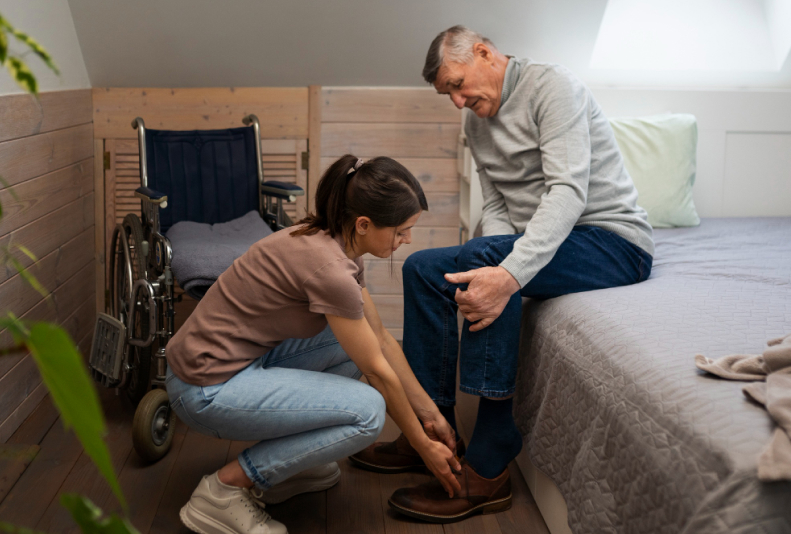
In-home senior services allow seniors who can’t move around independently to stay active.
Seniors must monitor their blood pressure, cholesterol, and blood sugar levels because some of the conditions, such as hypertension, may have no symptoms. Regular check-ups help identify issues early, support overall heart health, and help prevent complications such as heart attacks and strokes.
Missed doses or incorrect timing can increase the risk of cardiac events.
Common Heart Medications
Medication errors account for more than 1.5 million emergency department visits annually in the U.S.
In-home senior services help by:
Chronic stress increases heart rate, blood pressure, and inflammation.
Effective Stress-Reduction Methods
Seniors experiencing social isolation or loneliness have a 29% higher risk of developing coronary heart disease and a 32% higher risk of stroke
Quitting smoking after age 65 still reduces heart risk within 2–3 years, according to the American Heart Association.
Falls often lead to reduced movement, which weakens the heart.
CDC data says:
In-home support reduces fall risk by assisting with:
Senior in-home care offers structured daily assistance that directly influences cardiovascular health.
Benefits of In-Home Care
As per the National Library of Medicine, “A well-designed home care program reduces hospital readmission and hospital stay for patients with advanced heart failure.”
We at Tri-Med Home Care Services provide organized, culturally sensitive in-home care for seniors, focusing on their daily health needs, including heart care. Our caregivers speak various languages, which helps seniors understand their care plans, avoid mistakes, and makes it easier for them to stick to their daily schedules.
Our Core Home Care Services
These services assist the elderly in maintaining regular schedules, facilitating blood pressure management, good nutrition, and keeping fit. We also support eligible individuals through Nursing Home Transition and Diversion (NHTD) and Traumatic Brain Injury (TBI) waiver programs.
Why Families Choose Tri-Med
Heart health after 60 depends on daily habits, consistent monitoring, and reliable support. Nutrition, movement, medication management, and social engagement all play measurable roles in reducing risk.
In-home senior services assist the elderly in maintaining safety in heart care, independence, and avoiding hospital visits. Call Tri-Med Home Care Services now and receive individual care at home.
Small, steady steps taken every day can protect the heart for years to come!