347-727-7200
 Get Consultation
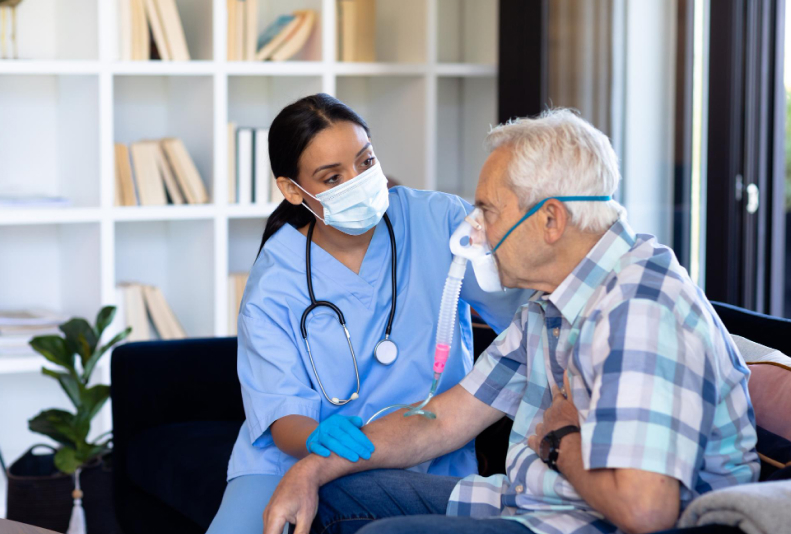
When an individual leaves the hospital after suffering through a stroke, they are in constant need of care. You can either take care of them yourself or call in live-in home health care specialists to share some of the responsibility with professionals. A stroke most often brings changes to a person’s speech, cognition, and emotional well-being that may not be easy to handle.
With this blog, we will help you understand what exactly a stroke is, the impact it has on one’s body, and how you can help your loved one recover. By using the proper knowledge and care strategies, families can help stroke survivors regain independence, confidence, and quality of life. Let’s see how to do it.
A stroke is the result of an interruption in blood supply to the brain, cutting off the supply of oxygen and nutrients to brain cells. As a consequence, one may suffer brain damage, and different problems can arise. Depending on the area of the brain affected, the results of a stroke can be determined.
There are two main types of stroke:
1. Ischemic Stroke: Occurs when a blood clot blocks a blood vessel carrying blood to the brain.
2. Hemorrhagic Stroke: This takes place when a vessel bursts and leaks blood into the brain.
Some of the possible consequences of a stroke may include weakness and paralysis of one side of the body, speech and language impairments, problems related to memory, vision problems, fatigue, and fluctuations in mood, which may include conditions of depression and anxiety.
A stroke rehab program aims to help the affected person regain skills and adjust to limited abilities. Family members have been known to provide significant assistance to the affected patient upon the patient’s return home.
When an individual is recovering from a stroke, all they need is support and care. Here is how you can help your loved ones recover from such an ordeal:
One of the most significant steps that can be taken is learning about the recovery process after suffering a stroke. Knowledge of potential issues, such as mobility problems, speech difficulties, or personality changes, will enable the nurse to approach the situation with the patient in a supportive manner rather than becoming frustrated.
Learn as much as possible about your loved one’s exact situation, suggested treatments, and estimated recovery time. The more that you know, the more that you will be able to communicate with the doctors and nurses effectively and assist your loved one when they return home.
Caring for a stroke survivor can be overwhelming, especially for family members balancing work, responsibilities, and emotional stress. Professional live-in home health care specialists can provide skilled nursing, rehabilitation support, and personal care assistance tailored to the patient’s needs.
Home nursing professionals help with medication management, mobility assistance, monitoring health changes, and coordinating care with physicians. This not only enhances recovery but also gives family caregivers peace of mind and much-needed support.
Rehabilitation plays a crucial role in stroke recovery. Physiotherapists, occupational therapists, and speech therapists help patients build strength, coordination, communication, and independence.
You should encourage your dear one to adhere to the therapies and perform the residential exercises recommended by professionals. Although their motivation may sometimes decline, your counselling sessions can help them remain optimistic.
After a stroke, safety is crucial. Some home modifications will help prevent falls and make it easier to do chores and everyday activities. Some of these include:
Adapting the environment to your loved one’s abilities promotes confidence and reduces the risk of injury during recovery.
Recovering after a stroke has an impact on one’s emotional well-being in addition to physical health. As they adapt to changes in their skills, many stroke survivors suffer from frustration, unhappiness, worry, or melancholy.
Be patient and understanding. Encourage open conversations about feelings and reassure your loved one that setbacks are a regular part of recovery. Emotional support, reassurance, and companionship help reduce feelings of isolation and boost mental well-being.
A stroke survivor can be assisted with activities such as dressing, bathing, eating, or just moving around. Even though assistance is essential, it’s also crucial to foster independence. Let loved ones do what they can on their own, safely, if it takes them longer. Many live-in home health care specialists also say it gives them confidence by letting them do what they can on their own.
Stroke may lead to possible health issues later, such as another stroke. Encourage your loved one to follow the doctor’s prescribed treatments and health advice.
Blood pressure should also be monitored, diabetes and hypertension managed, dietary advice followed, and physical exercise promoted, provided it has been authorized by the doctors involved.
Recovering from a stroke is a journey that needs teamwork, patience, and compassion. Although family and friends are always ready to offer invaluable support and care, combining that with the expert guidance of Tri-Med Home Care Service can be the best decision you make.
We have a compassionate team that offers professional home care services, ensuring the patient’s recovery is expedited. Contact us today and book an appointment online to learn more about our services. Don’t worry, we help your loved one recover with your support every step of the way.