347-727-7200
 Get Consultation
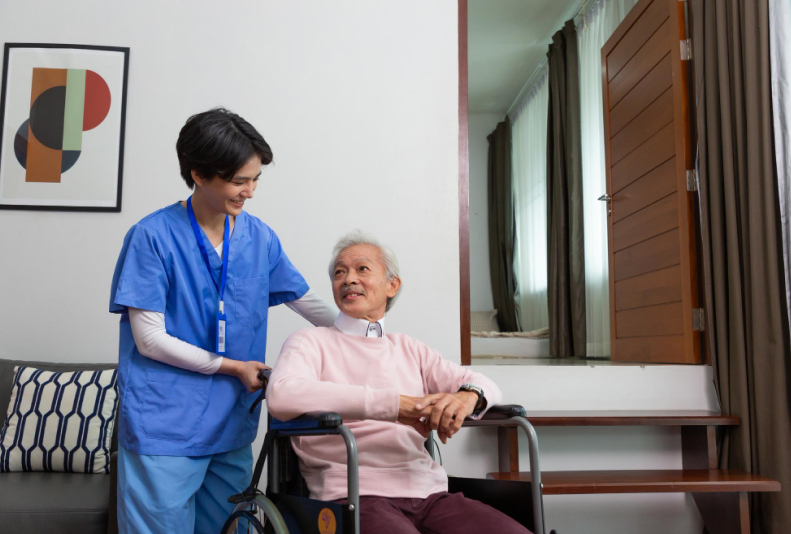
A home health nurse can assist a senior when health issues are complicated, but hospitalization is not necessary. This covers post-sickness recovery, chronic disease management, or preventing complications at home.
Home health nurses keep the elderly safe, comfortable, and at home. They collaborate closely with home health aides (HHAs), who provide practical support with activities of daily living. This collaboration enables them to create a structured care system that helps in maintaining health and independence.
Our home health nurses, including Registered Nurses (RNs) and Licensed Practical Nurses (LPNs), are available 24/7 to provide professional care at home.
Key duties include:
Home health nurses can assist seniors to stay safe, well, and comfortable at home through medical management and organized care.
Home health nurses rely on home health aides to provide practical care and daily support, helping build a comprehensive care system for the elderly. Aides help with personal care, mobility, and daily activities, whereas nurses are involved with supervision and medical direction.
This collaboration enables the elderly to receive professional nursing care and continue to enjoy the companionship of home health workers on a daily basis.
A home health nurse becomes essential when medical tasks cannot be safely managed by the family alone. These needs often appear gradually.
Common indicators include:
Polypharmacy is common in older adults. Many seniors take five or more medications daily.
A home health nurse:
Nursing oversight at home greatly reduces these risks.
Falls remain a leading cause of injury in seniors. A home health nurse can assist by:
This layered care improves safety inside the home. Early nursing intervention can prevent fractures and head injuries.
Memory loss can affect health decisions. It can also lead to unsafe behaviors. Therefore, seniors with memory issues need structured, consistent care.
A home health nurse helps when:
The Alzheimer’s Association estimates that over 7 million Americans live with Alzheimer’s disease, and the numbers are expected to rise to nearly 13 million by 2050. Nursing support improves symptom monitoring and caregiver guidance while allowing seniors to remain at home.
Physical health affects emotional well-being. Therefore, older adults are more likely to have anxiety or depression associated with illness.
A home health nurse:
The Geriatric Depression Scale (GDS) determines the risk of depression at the early stage. Research indicates that older adults receiving in-home nursing report increased treatment adherence and improved emotional stability.
Home health aides play a crucial role in working together with registered nurses.
Together, nurses and aides create a balanced care plan focused on safety and independence.
Delays in care lead to poorer outcomes. The early engagement of home health nursing:
Tri-Med Home Care Services is licensed to provide professional home care in Queens, Brooklyn, The Bronx, Manhattan, Nassau, and Suffolk. We have been accredited by The Joint Commission to demonstrate adherence to the highest standards of home health care. Our services include
Our multilingual staff members are conversant in English, Hindi, Punjabi, and Spanish, so there is no issue of misunderstanding or feeling out of place. We are open 24/7 and provide reliable care every time.
We are one of the most trusted home care providers in the region, focusing on safety, dignity, and personalized care plans. Families trust us for consistent, compassionate, and clinically guided home care.
A senior benefits from a home health nurse when medical needs increase, safety becomes uncertain, or recovery requires professional oversight. Combined with personal home care services and home health aides, nursing care supports better health and independence at home.
Contact Tri-Med Home Care services today if you or your loved one is also in need of a dependable home health aide to make their life better. Our home health nurses, Registered Nurses (RNs) and Licensed Practical Nurses (LPNs) are available 24/7 to offer professional care at home!